

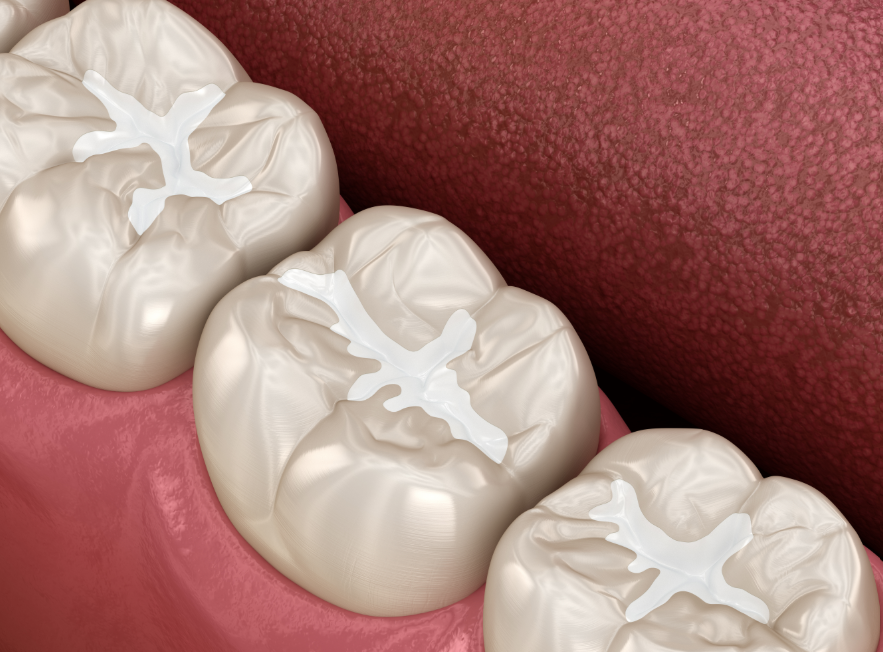
If you have had dental work for a while, you may still have one or more silver-colored fillings in your teeth. Also called dental amalgam fillings, these restorations have been used for generations because they are durable and relatively inexpensive. However, modern dentistry offers alternatives that blend more naturally with your smile.
You may have also heard concerns about the mercury contained in amalgam fillings. While current evidence does not show that intact amalgam fillings cause health problems in most people, there are situations where talking with your dentist about replacing an older filling may make sense.
What Are Metal Fillings Made Of?
Dental amalgam is made from a combination of metals, including silver, copper, tin, and mercury. Mercury makes up approximately half of the material by weight and helps bind the other metals together.
Amalgam has a long history of successful use in dentistry. However, the presence of mercury has prompted ongoing research into potential exposure and health effects.
A 2016 study analyzed data from nearly 15,000 people and found that individuals with more than eight dental surface restorations had significantly higher blood mercury levels than people without amalgam restorations. The study demonstrated an association between the number of restorations and mercury levels, but it did not establish that amalgam fillings caused harmful health conditions.
Should You Be Concerned About Mercury?
For most people, having an intact amalgam filling does not automatically mean that it needs to be removed. The FDA states that studies have not provided conclusive evidence that dental amalgam causes harmful health effects in the general population. It also recommends against removing fillings that are in good condition unless there is a medical or dental reason to do so.
Certain groups may have additional reasons to discuss alternatives with their dentist, including people who are pregnant or planning pregnancy, nursing mothers, young children, people with certain neurological or kidney conditions, and people with known sensitivities to amalgam components.
Why Consider Tooth-Colored Fillings?
If an old amalgam filling needs to be replaced because it is damaged, decayed underneath, or otherwise requires treatment, your dentist may discuss composite resin as an alternative.
Tooth-colored fillings can be matched closely to the natural color of your teeth, making them much less noticeable when you smile or laugh. Composite materials may also require removal of less healthy tooth structure in some situations compared with amalgam.
Of course, composite fillings aren’t right for every situation. The best material depends on factors such as the location and size of the restoration, your bite, and the amount of healthy tooth structure remaining.
Talk With Your Dentist Before Replacing Fillings
If you still have metal fillings, you don’t necessarily need to rush out and have them removed. Instead, ask your dentist to evaluate their condition during your regular visits.
If a filling is failing or the tooth needs additional treatment, you can discuss whether replacing it with a tooth-colored material is appropriate. Your dentist can also explain the benefits and potential risks of different materials based on your individual needs.
Replacing an older filling can be about more than aesthetics—it can be an opportunity to reassess your restoration and your overall dental health.
About the Practice
Dental Designs of White Marsh provides comprehensive dental care with a focus on helping patients maintain healthy, functional smiles. The practice offers restorative dentistry services, including treatments designed to repair damaged teeth and restore their appearance and function. Patients can discuss available filling materials and replacement options with their dental team based on their individual needs.
Call us at (443) 936-2899 or schedule your appointment online