

Gum Disease Treatment White Marsh
Treat Gum Disease & Restore Your Healthy Smile

Although gum disease may seem like just a little redness and swelling in the gums, the truth is that if left untreated, this condition could eventually cost your gum tissue, teeth, and even portions of your jaw. Here’s how gum disease treatment in White Marsh from Dental Designs of Maryland can help prevent this from happening by eliminating the dangerous oral bacteria responsible so your gum tissue can heal and remain in place to keep your teeth and bones healthy and strong.
Why Choose Dental Designs of Maryland for Gum Disease Treatment?
- Caring and Compassionate Dentists
- Most PPO Dental Insurance Plans Welcome
- Multiple Convenient Locations
What Is Gum Disease?
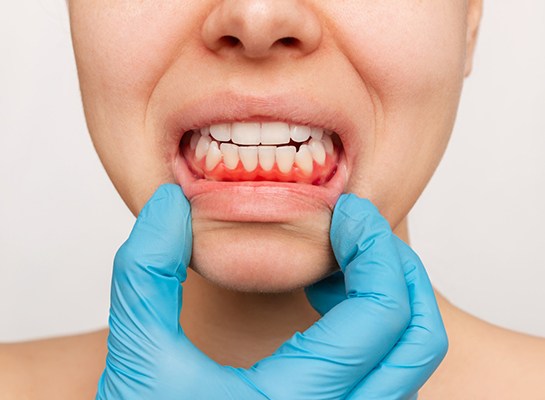
Gum disease (also known as periodontal disease) is a condition caused by a bacterial infection within the mouth which directly affects the gums and bone structure that supports the teeth.
There are two types of gum disease: gingivitis, the earliest stage, and periodontitis, which is the more advanced stage of the condition.
Although early signs of gingivitis can be reversed with improved oral hygiene, periodontitis can only be managed, not cured. However, doing so can prevent many of its worsening effects, such as tooth and bone loss.
Factors that may increase your risk of developing gum disease include smoking or using tobacco products, poor oral hygiene, genetics, and even immune compromising conditions such as diabetes. It may also be encouraged by taking certain medications that cause dry mouth, and hormonal changes such as those which occur during pregnancy and menopause.
Symptoms of Gum Disease

There are a variety of symptoms associated with gum disease, depending on how far the condition has progressed. Some signs of gingivitis include:
- Chronic bad breath (halitosis)
- Red or swollen gums
- Gums that bleed when you brush or floss your teeth
- Tender gums
- Dark red gums
- Gum recession (where the gums tissue recedes and exposes more dental structure)
Signs of periodontitis:
- Pain while chewing
- Loose permanent teeth
- Sensitive teeth because of gum recession
- A change in bite
- Change in the fit of your restorations such as partial dentures
- Loss of permanent teeth
If you notice any of the above symptoms, please contact us to schedule an evaluation for gum disease treatment.
How Do We Treat Gum Disease?

Before deciding which gum disease treatment options are best for a patient, one of our dentists will thoroughly examine their mouth to assess the severity of the condition. Then, based on their diagnosis, they will discuss each of their treatment options and recommendations with the patient.
Scaling & Root Planing
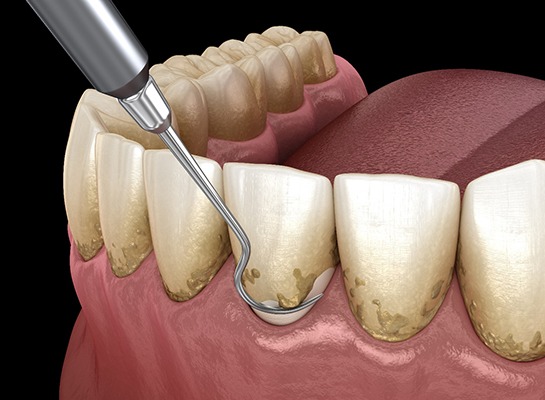
Scaling and root planing is a two-part process which can usually be completed over the course of two appointments. First, your dentist will thoroughly remove all plaque and tartar from your teeth to minimize the presence of bacteria. If you have experienced any gum recession, they will scale down as far as the pockets of your gums to make sure that no bacteria are left to hide in the area.
At the second appointment, your dentist will smooth out the roots of the teeth, removing any hardened bacteria deposits. This will help your gum tissue to healthily reattach to your tooth’s structure and protect its roots.
Do I Need Scaling & Root Planing?

To determine whether or not scaling and root planing is ideal for you, we will first complete an examination of your gums. X-rays are also captured to collect as much information as possible. Depending on the condition of your gum tissue, the depth of the pockets, and the progress of your gum disease, we might recommend scaling and root planing to keep gum disease at bay.
The Process of Scaling & Root Planing

The complete scaling and root planing process is usually completed over the course of two appointments, but this can vary from patient to patient. To remove plaque and tartar, we start by scaling the tooth with dental tools. We will target the gumline and underneath the gumline where plaque, tartar, and bacteria build up.
After the scaling portion is complete, we will move on to the root planing portion of the treatment. This is when we smooth down sections of the teeth beneath the gumline. This helps the gums to adhere to the teeth, speeding up the healing process by making it more difficult for bacteria to build up in the future.
Aftercare Tips for Scaling & Root Planing

It is normal for the gums to feel a little bit sore after scaling and root planing. There may also be some inflammation in those areas. This is temporary and should subside over the next couple of weeks. Here are some tips to help the healing process go quickly and smoothly.
- Brush twice daily with a soft-bristled toothbrush and fluoridated toothpaste
- Rinse your mouth with saltwater after meals
- Floss every day
- Stick to a soft diet following your treatment
- Avoid foods and beverages that are spicy, acidic, and hot
- Refrain from intense physical activity