

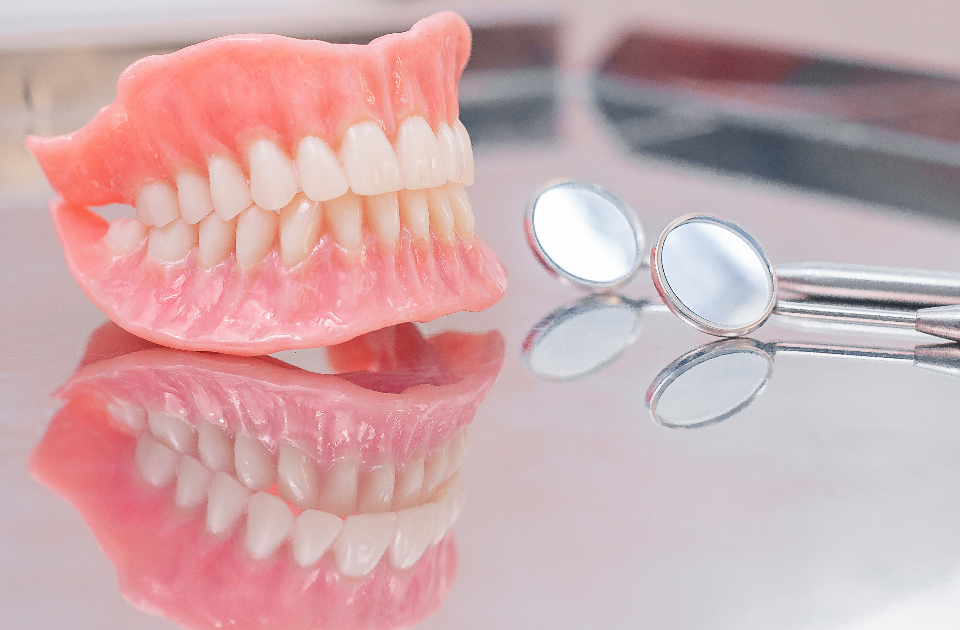
Dentures are designed to restore your smile, improve chewing, and support daily confidence—but just like natural teeth, they require consistent care. If you’ve noticed an unpleasant smell coming from your dentures, you’re not alone. This is a common issue that usually develops when bacteria, food particles, or plaque build up on the surface of the appliance.
The good news is that denture odor is preventable. With the right cleaning routine and a few simple habits, you can keep your dentures fresh, comfortable, and long-lasting.
Here’s what may be causing the smell—and what you can do to fix it.
Bacteria and Plaque Buildup
One of the most common causes of denture odor is the accumulation of bacteria and plaque. Even though dentures are not natural teeth, they still provide a surface where bacteria can grow, especially if they are not cleaned properly each day.
When bacteria are left to multiply, they can produce a foul smell similar to bad breath. This is often worse overnight if dentures are not cleaned or soaked before being worn again.
To help prevent this, it’s important to clean dentures daily using a soft brush and a non-abrasive denture cleanser. Regular cleaning helps remove buildup before it turns into odor-causing bacteria.
Food Particles Trapped in Dentures
Another common cause of denture odor is food getting trapped underneath or around the appliance. Because dentures sit against the gums, small food particles can easily become lodged in areas that are difficult to see or reach.
Over time, these particles break down and contribute to an unpleasant smell. Rinsing dentures after meals can help reduce buildup throughout the day. Removing and gently cleaning them after eating is one of the simplest ways to maintain freshness.
Poor Oral Hygiene of the Gums and Mouth
Even if dentures are cleaned properly, oral hygiene still plays a major role in preventing odor. The gums, tongue, and roof of the mouth can also harbor bacteria that contribute to bad breath and denture smells.
Patients should gently brush their gums and tongue daily using a soft toothbrush or gauze. This helps remove bacteria and keeps the entire mouth environment healthier, not just the dentures themselves.
Improper Soaking or Storage
Dentures need moisture to maintain their shape, which is why soaking them overnight is an important part of care. However, if they are soaked in plain water for too long without proper cleaning solutions, bacteria can still accumulate.
Using a recommended denture soaking solution helps disinfect the appliance and reduce odor-causing buildup. It’s also important to store dentures in a clean container when not in use to avoid contamination.
Ill-Fitting Dentures
If dentures no longer fit properly, small gaps can form between the appliance and the gums. These spaces can trap food and bacteria more easily, leading to odor and discomfort.
Ill-fitting dentures may also cause irritation or sore spots. If you suspect your dentures are loose or no longer fitting correctly, a dental evaluation can help determine whether adjustments or relining are needed.
When to See Your Dentist
If denture odor persists despite good hygiene habits, it may be time to consult your dentist. Persistent smell can sometimes indicate underlying oral health issues, infection, or the need for a professional cleaning or denture adjustment.
Regular dental visits are essential for maintaining both the health of your dentures and your overall oral health. With consistent care, most denture odor issues can be easily managed or completely prevented.
About the Practice
Dental Designs of Maryland provides comprehensive restorative and preventive dental care, including custom dentures designed for comfort, function, and aesthetics. The practice is led by an experienced dental team, who are dedicated to helping patients maintain healthy, confident smiles through personalized, high-quality dental treatment.
Call us at (410) 931-9400 or schedule your appointment online.